
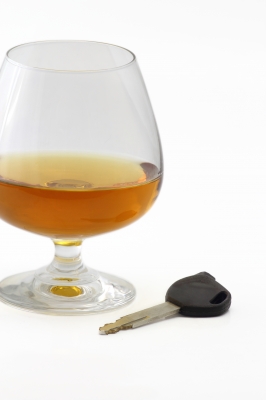
 This past weekend, a district attorney in Travis County, Texas, was arrested for drunk driving. It is sad to see the dysfunctional effects that alcohol abuse has had on her life. This district attorney was apparently highly regarded. She was the first female district attorney in Travis County, who also won her latest reelection unopposed. Ideally, medical treatment for alcohol and drug abuse would start before a person’s life starts to fall into severe dysfunction. Hopefully, this arrest and public embarrassment will be the catalyst for this district attorney to make some productive changes in her life.
We now have good medical treatments for alcohol addiction – treatments for the neurobiological part of the addiction.
Naltrexone (Revia, Depade) is an oral medication that blocks opioid (painkiller) receptors in the brain. Alcohol exerts it’s pleasurable effects, in part, by stimulating opioid receptors. The medication itself actually helps to reduce cravings for alcohol. In addition, drinking is less pleasurable when someone drinks while taking the medication. This is behaviorally reinforcing in itself. Naltrexone is also available as a monthly injection (Vivitrol). At a minimum, naltrexone can reduce the amount that someone drinks; at best, it can help someone to stop drinking completely. Naltrexone is very useful as a tool for “harm reduction”, with the ultimate goal being complete abstinence. Harm reduction is basically the idea that drinking less than before (e.g. 3 drinks as opposed to 7 drinks daily) is considered a good thing – an achievement, actual progress. Some patients need to taper down on their drinking before stopping completely. Stopping all at once does not work for everyone. When someone reduces their drinking, they are more open to, and benefit more from, addiction counseling and therapy. Motivational Interviewing and CBT (Cognitive Behavioral Therapy) are two modern psychological treatments for addiction.
Patients that drink in part because of anxiety, dysphoria, or irritability (all of which are common), can benefit from medications that work on the GABA system. Alcohol exerts it’s calming and sedating effects by stimulating the GABA-A receptor. Valium stimulates the same receptor – so alcohol can be thought of as liquid Valium. Medications that work on the GABA system to achieve similar calming include gabapentin (Neurontin), topiramate (Topamax), baclofen (Lioresal), and acamprosate (Campral).
If someone is drinking partially because of psychological symptoms, those symptoms must be addressed and treated. This allows someone to have the best chance at becoming abstinent.
For more information on addiction treatment in NYC, contact Stuart Kloda, MD at (646) 713-6578. www.stuartklodamd.com
Dr. Kloda has offices located at Columbus Circle and Wall Street.
######
Leave a Reply
You must be logged in to post a comment.